
Vinyl Chloride Profile
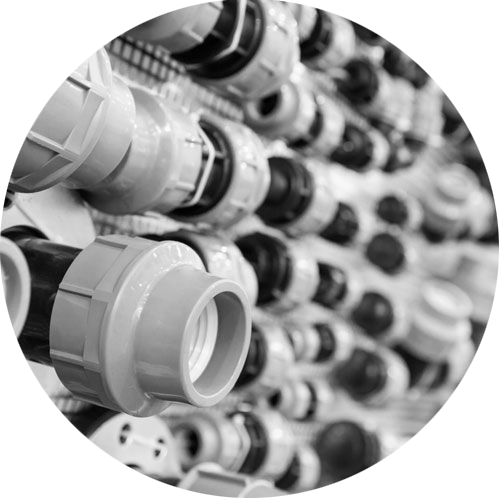
INDUSTRIAL CHEMICALS – KNOWN CARCINOGEN (IARC 1)
Contents
Vinyl Chloride Profile
General Information
Vinyl chloride is a chlorinated aliphatic hydrocarbon which occurs as a colourless gas. It has a light sweet odour and is slightly soluble in water.[1] It may also be referred to as vinyl chloride monomer or chloroethene.[2] There are numerous other synonyms and product names; see the Hazardous Substances Data Bank (HSDB) for more information.[2]
Vinyl chloride is classified by the International Agency for Research on Cancer (IARC) as Group 1, a known human carcinogen. There is sufficient evidence that vinyl chloride exposure causes angiosarcoma of the liver and hepatocellular carcinoma.[3] There is strong evidence from both human and animal studies that vinyl chloride causes cancer via a genotoxic mechanism.[3]
Acute inhalation exposure to vinyl chloride can cause dizziness, nausea, headache, fatigue, visual and hearing disturbances, sleep disturbances, unconsciousness, and in high concentrations, death.[4,5] Chronic exposure to vinyl chloride is associated with a number of non-cancer health effects in different organs and tissues, including the liver, skin, and bones, as well as the cardiovascular, nervous, immune and reproductive systems.[4,5]
Regulations and Guidelines
Occupational exposure limits (OEL)[6,7,8,9,10,11,12,13,14,15,16,17,18,19,20]
| Canadian Jurisdictions | OEL (ppm) |
|---|---|
| Canada Labour Code | 1 |
| AB, BC, MB, NL, NS, ON, PE, QC, YT | 1 |
| QC | 1 [em] |
| NB | 5 |
| SK, NU, NT | None listed* |
| Other Jurisdictions | OEL (ppm) |
| ACGIH 2020 TLV | 1 |
ppm = parts per million
stel = short term exposure limit (15 min. maximum)
em = exposure must be reduced to the minimum
* Written notice to Ministry of Labour Relations and Workplace Safety required for use and disposal
ACGIH = American Conference of Governmental Industrial Hygienists
TLV = threshold limit value
Canadian environmental guidelines and standards*
| Jurisdiction | Limit | Year |
|---|---|---|
| Drinking Water Guidelines (Canada, BC, MB) and Standards (QC, SK) | 0.002 mg/L (MAC) | 2004-2020 [21,22,23,24,25] |
| Ontario Drinking Water Quality Standards | 0.001 mg/L | 2017[26] |
| Residential Indoor Air Quality | Recommended that any exposure to tobacco smoke** in indoor environments be avoided | 1987[27] |
| Health Canada Cosmetics Ingredient Hotlist | Not permitted | 2004[28] |
| Ontario Ambient Air Quality Criteria | Annual: 0.2 μg/m3 24-hour: 1 μg/m3 | 2016[29] |
| Alberta Ambient Air Quality Criteria | 1 hour: 130 μg/m3 | 1999[30] |
| Ontario’s Air Pollution – Local Air Quality Regulation | 24-hour standard: 1 µg/m3; Prohibited discharge into the air if the concentration of vinyl chloride exceeds the standard | 2020[31] |
| Quebec’s Clean Air Regulation | 1 year limit: 0.05 µg/m3; Prohibited discharge into the air if the concentration of vinyl chloride exceeds the standard | 2011[32] |
| BC’s Contaminated Sites Regulation, BC Reg 375/96 | Sets soil standards for the protection of human health: Agricultural and low density residential sites: 0.95 μg/g Urban park and high density residential sites: 2 μg/g Commercial and industrial sites: 45 μg/g
Drinking water: 2 µg/L Sets vapour standards for the protection of human health: | 2017[33] |
* Standards are legislated and legally enforceable, while guidelines (including Ontario ambient air quality criteria) describe concentrations of contaminants in the environment (e.g. air, water) that are protective against adverse health, environmental, or aesthetic (e.g. odour) effects
** Vinyl chloride included under “Tobacco Smoke”
mg/L = milligram per litre
μg/m3 = micrograms per cubic metre
μg/g = micrograms per gram
μg/L = micrograms per litre
MAC = maximum acceptable concentration
ALARA = as low as reasonably achievable
Canadian agencies/organizations
| Agency | Designation/Position | Year |
|---|---|---|
| Health Canada | DSL – low priority substance (already risk managed) | 2006[34] |
| CEPA | Schedule 1, paragraph ‘c’ (human health) | 1999[35] |
| Environment Canada | Vinyl chloride release regulations: limit the release of vinyl chloride from vinyl chloride plants and polyvinyl chloride plants | 1992[36] |
| National Classification System for Contaminated Sites | Rank = “High hazard”, confirmed human carcinogen | 2008[37] |
| Environment Canada’s National Pollutant Release Inventory | NPRI Part (Threshold Category): 1A, Reportable to NPRI if manufactured, processed, or otherwise used at quantities greater than: 10 tonnes | 2016[38] |
| PMRA list of formulants | List 2 contains formulants that are considered to be potentially toxic, based on either structural similarity to List 1 formulants or data suggestive of toxicity, and are of high priority for testing. | 2020[39] |
DSL = domestic substance list
CEPA = Canadian Environmental Protection Act
Vinyl chloride was not included in other Canadian government guidelines, standards, or chemical listings reviewed.
Main Uses
Approximately 98% of vinyl chloride monomer produced is used to produce polyvinyl chloride (PVC).[1,4] PVC is an important plastic used in a variety of products, including automotive parts, pipes, medical supplies, packaging products, furniture, and construction materials.[1,4]
Other minor uses for vinyl chloride include the organic synthesis of copolymers with vinyl acetate, vinyl stearate, vinylidene chloride, and 1,1,1-trichloroethane.[4]
Vinyl chloride was formerly used as a refrigerant and in aerosol propellants, as an extraction solvent and as an ingredient in pharmaceutical and cosmetic products.[2] These uses were discontinued in the 1970s following the recognition of the carcinogenicity of vinyl chloride.[1,4]
Canadian Production and Trade
There is little evidence to suggest that vinyl chloride is being produced in any large quantity in Canada. Canadian demand for vinyl chloride is currently met with imports, mainly from the US.[40]
Production and trade
| Activity | Quantity | Year |
|---|---|---|
| Export | 0 t (of ‘vinyl chloride “chloroethylene’) | 2021[40] |
| Import | 215,930 t (of ‘vinyl chloride “chloroethylene’) | 2021[40] |
t = tonne
Environmental Exposures Overview
Potential sources of environmental exposure to vinyl chloride include inhaling contaminated air, ingesting contaminated drinking water and foods, and using PVC consumer products.[1] Overall, exposure levels for vinyl chloride are expected to be very low in the general population.[1]
Vinyl chloride is released into the environment from vinyl chloride and PVC manufacturers.[3] Higher air concentrations of vinyl chloride have been found in communities located within close proximity to these sites.[1,4] Levels of vinyl chloride in areas not within close proximity to emission sources are generally very low.[1,3] The National Air Pollution Surveillance Network found that between 2003 and 2006, 99% of samples were below the limit of detection.[41]
Drinking water may become contaminated by industrial release of vinyl chloride or leaching of its monomers in PVC piping.[42] In the 1990’s and 2000’s, several provinces tested their drinking water for vinyl chloride; levels of vinyl chloride were generally below the detection limit, except for in Quebec and Alberta, where 0.4% and 0.1% of samples, respectively, exceeded the detection limit.[42] One study found that drinking water passing through new PVC pipes contained higher levels of vinyl chloride compared to water passing through nine-year-old pipes.[43] However, ingesting drinking water is not expected to expose the majority of the general population to vinyl chloride.[1,4]
Regulations in Canada prohibit using materials that could allow leaching of vinyl chloride in food packaging.[44] The 2007 Canadian Total Diet Study found that vinyl chloride was not detected in any of the 153 samples tested.[45] Exposure to vinyl chloride from food and beverage consumption is estimated at 0.1 µg/day.[42]
PVC consumer products may contain very small residual amounts of vinyl chloride.[3] In the 1970s, residual vinyl chloride was found in products such as vinyl music records, plastic food bottles, kitchen wrapping films, and bathroom tiles.[3] Recent improvements to manufacturing processes have substantially reduced the levels of residual vinyl chloride in PVC products.[3]
Vinyl chloride is found in smoke from cigarettes (1.3-16 ng/cigarette), cigars (14-27 ng/cigar), and marijuana cigarettes (5.4 ng/cigarette).[1,3]
Searches of Environment Canada’s National Pollutant Release Inventory (NPRI) and the US Consumer Product Information Database yielded the following results on current potential for exposure to vinyl chloride in Canada:
NPRI and US Consumer Product Information Database
| NPRI 2015[46] | |
|---|---|
| Substance name | ‘Vinyl Chloride’ |
| Result: | 3 facilities |
| Category | Quantity | Industry |
|---|---|---|
| Released into Environment | 0.387 t | Resin and rubber manufacturing, water, sewage and other systems, and other textile product mills |
| Disposed of | None | |
| Sent to off-site recycling | None | |
| US Consumer Products 2016[47] | ||
| Results: 38 products | ||
| Search Term | Quantity | Product Type |
| ‘vinyl chloride’ | 0 | – |
| ‘polyvinyl chloride’ | 38 | Plumbing and pipe cements |
t = tonne
Occupational Exposures
Inhalation is the most important route of occupational exposure to vinyl chloride, although skin absorption may also occur.[3,4]
The main occupations exposed to vinyl chloride include workers involved in producing vinyl chloride monomer and using vinyl chloride during PVC and other chemical production.[1]
In plants where vinyl chloride monomer is produced, exposures generally occur after production, when the monomer product is being transported and stored, or during equipment maintenance.[1]
Exposure may occur during PVC polymerization or synthesis of other chemicals, if vinyl chloride is released into the air.[1] Workers involved in PVC resin handling and processing may be exposed to residual vinyl chloride monomers, but the levels of exposure are usually very low.[3,4]
North American and Western European countries introduced new occupational exposure limits for vinyl chloride in the 1970s, after recognizing the chemical’s carcinogenic effects.[3,4] By the late 1970s, many PVC manufacturers in these countries began using “closed-loop” polymerizing systems, which substantially reduced occupational exposures to vinyl chloride.[3,4]
CAREX Canada has not prioritized vinyl chloride for exposure estimate development. This is because the likelihood of exposure in Canadian workers is very low.
Sources
Subscribe to our newsletters
The CAREX Canada team offers two regular newsletters: the biannual e-Bulletin summarizing information on upcoming webinars, new publications, and updates to estimates and tools; and the monthly Carcinogens in the News, a digest of media articles, government reports, and academic literature related to the carcinogens we’ve classified as important for surveillance in Canada. Sign up for one or both of these newsletters below.
CAREX Canada
School of Population and Public Health
University of British Columbia
Vancouver Campus
370A - 2206 East Mall
Vancouver, BC V6T 1Z3
CANADA


As a national organization, our work extends across borders into many Indigenous lands throughout Canada. We gratefully acknowledge that our host institution, the University of British Columbia Point Grey campus, is located on the traditional, ancestral, and unceded territories of the xʷməθkʷəy̓əm (Musqueam) people.