
IN THIS ISSUE
Spotlight on occupational sun exposure – New exposure estimates and an app-based study
Community profiles – Yukon launches a First Nations Cancer Strategy
Recent publications – Sun safety among young workers, workplace sun exposure and melanoma, and Canadians’ time-activity patterns
Communications updates – Recent stories from Carcinogens in the News
Partner updates – BC’s Cancer Prevention Indicator Report and a new community for research professionals

SPOTLIGHT ON OCCUPATIONAL SUN EXPOSURE
New occupational exposure estimates for solar radiation
We are pleased to announce that we have updated our occupational exposure estimates for solar ultraviolet radiation. These 2021 estimates show that approximately 1,634,000 Canadians are exposed to sun at work. This is a slight decrease (1%) from our previous 2016 estimate, reflecting changes in the Canadian labour force primarily due to decreases in the number of farm workers and increases in the number of construction workers.
Construction, farming, and services to buildings and dwellings are among the largest industrial groups exposed to sun at work, while construction labourers, farmers and farm managers, and landscapers and ground maintenance labourers are the most exposed occupations. The new occupational exposure estimates are available on the solar radiation profile here.
Interested in developing your own sun safety resources to help keep workers protected on the job? Our evidence-based sun safety messages for outdoor workers, including construction workers, along with our suite of illustrations of workers in various jobs that experience high sun exposure, are free to use and available on our website here.
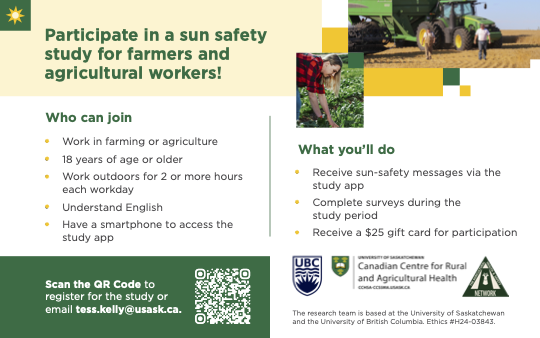
Recruiting for an app-based sun safety study
We are currently recruiting farmers and agricultural workers in Saskatchewan for a new sun safety study! The study, led by Dr. Cheryl Peters, brings together a team from CAREX Canada, the University of Saskatchewan, the Canadian Centre for Rural and Agricultural Health, and the Agricultural Health and Safety Network to assess whether smartphone-based messaging can be an effective tool for helping outdoor workers learn about sun safety and reduce sun exposure at work. We are pleased to welcome Tess Kelly to the project team in Saskatchewan, where she works alongside co-investigator Dr. Niels Koehncke at the University of Saskatchewan.
This study carries special meaning for our team. The Canadian Cancer Society and Canadian Institutes of Health Research Action Grant was originally awarded and led by our colleague and dear friend, Dr. Thomas Tenkate, whose lifelong dedication to sun safety and the prevention of skin and eye-related health impacts from solar radiation exposure, particularly for outdoor workers, was truly pioneering in Canada. We are honoured to be able to continue this work in his memory.
More information on eligibility and participation in this study is available here.
COMMUNITY PROFILES
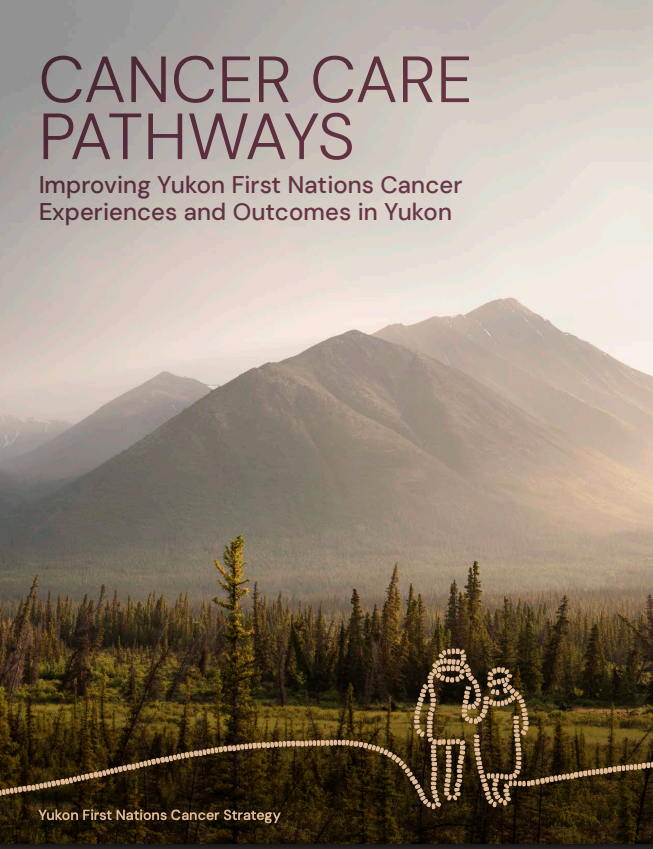
Yukon launches a First Nations Cancer Strategy
As a part of our ongoing commitment to Indigeneity, Equity, Diversity, and Inclusion (IEDI), the “Community Profiles” section of our newsletter is devoted to uplifting and raising the profile of communities that may be at greater risk of exposure to carcinogens, or who have recently made progress in finding solutions to combat exposures.
In March 2026, Yukon launched their first ever First Nations Cancer Strategy. The strategy reflects years of dedicated collaboration between Yukon First Nation governments, Council of Yukon First Nations, Yukon Hospital Corporation, Government of Yukon, Elders, and First Nations citizens with lived experience of cancer.
At its core, the strategy represents the people and communities that are impacted by a cancer diagnosis. Every action identified in the strategy is underpinned by the principles of self-determination, equitable access to care, and cultural safety defined by those receiving care. The strategy is intended to guide culturally appropriate service delivery, with a strong emphasis on cancer prevention and screening.
While the coordinated planning of the strategy has taken place over the last eight years, the need to address rates of cancer among First Nations people in the Yukon was brought to light through community workshops supported by the Council of Yukon First Nations almost twenty years ago. As Erin McQuaig, a member of the Tr’ondëk Hwëch’in First Nation, explains, “these efforts represent a long overdue shift toward care that truly reflects the needs, strengths, and values of northern communities.”
Implementation of the strategy has already begun with the pilot Indigenous Cancer Patient Navigator Program. Future plans include tracking First Nations cancer rates within the Yukon Cancer Registry, providing cultural safety training for staff providing care, and planning to ensure long-term sustainability.

RECENT PUBLICATIONS
Sun safety practices among young workers, workplace sun exposure and melanoma risk, and Canadians’ time-activity patterns
Members of our team recently published journal articles on CAREX-related research, including:
- An assessment of sun safety knowledge and practices among young workers found that they have a moderate awareness but poor adherence to sun-safe practices at work.
- An investigation of occupational sun exposure and melanoma risk among Ontario workers concluded that workers with low-intermittent and high sun exposure at work had a higher risk of developing melanoma than indoor workers.
- An examination of environmental time-activity patterns among Canadians can be used to understand how long an individual spends in different environments (such as the home or workplace) and inform estimates of exposure to hazards such as radon.
A full list of our publications is available here.
COMMUNICATIONS UPDATES
Recent stories from our Carcinogens in the News digest
This month, we’re featuring three stories that appeared in Carcinogens in the News:
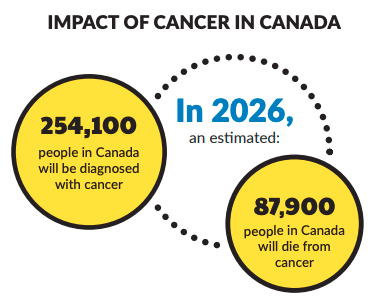
- The latest Canadian Cancer Statistics have been released, which provides 2026 projected estimates of incidence and mortality by sex and geographic region for 23 cancer types. Cancer continues to be the leading cause of death in Canada, with 254,100 new cancer cases and 87,900 cancer deaths projected for 2026. Lung, breast, prostate, and colorectal cancers are expected to be the most diagnosed cancers.
- A new report from the Union for International Cancer Control (UICC) shows long-term exposure to air pollution (PM2.5) raises the risk of developing cancer by 11% and of dying from cancer by 12%. Liver, colorectal, breast, and lung cancers were all strongly associated with exposure to air pollution.
- The Ontario government has launched an occupational exposure registry that allows workers to record and track exposure to hazardous substances in the workplace. The secure, digital portal aims to help workers better understand their exposure risks, inform prevention efforts, and support medical assessments if symptoms arise.
You can subscribe to our monthly Carcinogens in the News digest here.
PARTNER UPDATES
BC’s Cancer Prevention Indicator Report and a new community for research professionals
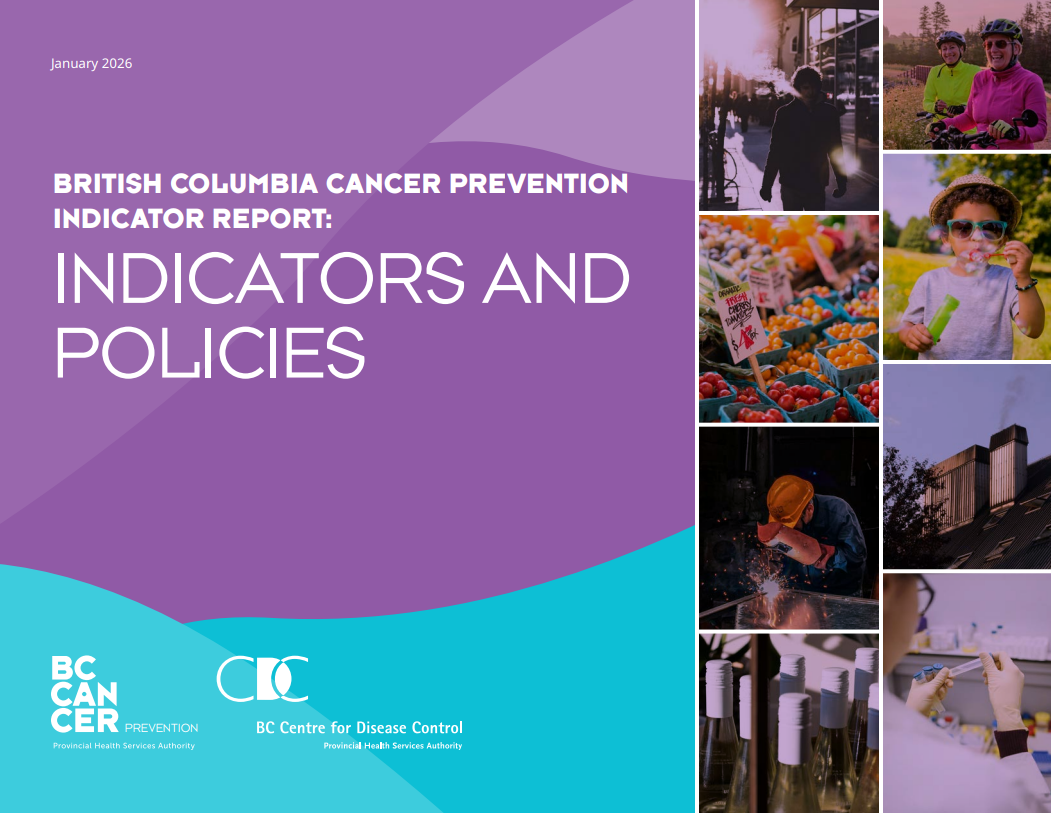
The BC Cancer Prevention Indicator Report, developed by BC Cancer and the BC Centre for Disease Control, looks at the most common risk factors for cancer and highlights actions that can help reduce cancer risk across the province. It includes an overview of 8 cancer risk factors, including solar radiation, environmental exposures (e.g. radon and outdoor air pollution), occupational exposures (e.g. asbestos and diesel engine exhaust), smoking, alcohol, and more. The report summarizes key data and indicators for each risk factor, and compiles evidence-based programs and policies that help reduce exposure at multiple levels of action, from individual behaviours to organizational programs and public policies.
Our Principal Investigator Dr. Cheryl Peters was a member of the report development team, and CAREX team members Lindsay Forsman-Phillips and Joanne Telfer supported this work through the BC Primary Cancer Prevention Committee. The Cancer Prevention Indicator Report is available here.
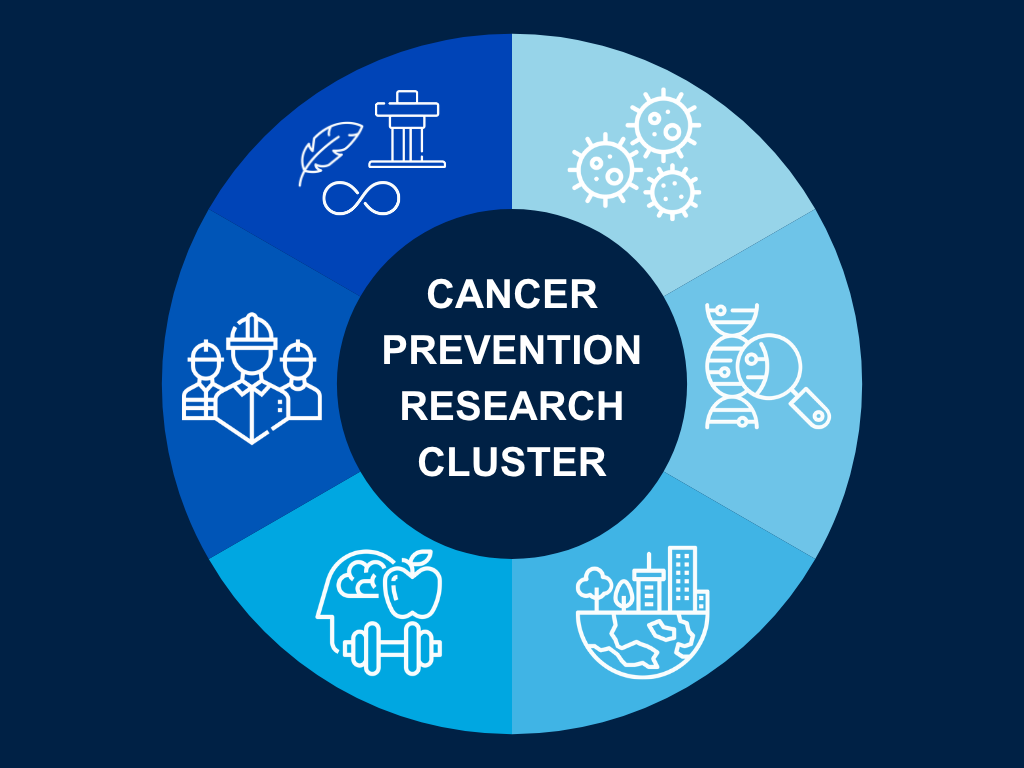
The Cancer Prevention Research Cluster (CPRC), led by Dr. Trevor Dummer and based at the University of British Columbia, is launching a group for research professionals involved in the planning and coordination of cancer research, including research analysts, methodologists, associates, project and program coordinators/managers, knowledge translation/mobilization staff, and other non‑faculty research professionals. This new community will provide opportunities for members to connect and collaborate with others working in cancer research and allow them to share tools, strategies, and best practices. If you are interested in joining, please complete the survey here.
Please note that the CAREX Canada e-Bulletin is now a bi-annual digest. For more regular communications from us, please subscribe to Carcinogens in the News, a monthly digest of media articles, government reports, and academic literature related to the carcinogens we’ve classified as important for surveillance in Canada.
Subscribe to our newsletters
The CAREX Canada team offers two regular newsletters: the biannual e-Bulletin summarizing information on upcoming webinars, new publications, and updates to estimates and tools; and the monthly Carcinogens in the News, a digest of media articles, government reports, and academic literature related to the carcinogens we’ve classified as important for surveillance in Canada. Sign up for one or both of these newsletters below.
CAREX Canada
School of Population and Public Health
University of British Columbia
Vancouver Campus
370A - 2206 East Mall
Vancouver, BC V6T 1Z3
CANADA


As a national organization, our work extends across borders into many Indigenous lands throughout Canada. We gratefully acknowledge that our host institution, the University of British Columbia Point Grey campus, is located on the traditional, ancestral, and unceded territories of the xʷməθkʷəy̓əm (Musqueam) people.