
Formaldehyde Profile
INDUSTRIAL CHEMICALS – KNOWN CARCINOGEN (IARC 1)
Contents
Formaldehyde Profile
QUICK SUMMARY
- A flammable, colourless gas with a pungent odour
- Associated cancer: Nasopharyngeal cancer and leukemia
- Main route of exposure: Inhalation
- Primary sources: Decomposition of formaldehyde-containing resins (ex. adhesives and binders in wood products, pulp and paper, synthetic fibres), emissions from solutions (ex. embalming fluid), and combustion sources (ex. wood stoves)
- Occupational exposures: Approx. 117,000 Canadians are exposed to formaldehyde at work, primarily in hospitals and food service industries
- Environmental exposures: Via combustion from power plants, incinerators, refineries, wood stoves, kerosene heaters, cigarettes, and forest fires
- Fast Fact: Despite being a known carcinogen, formaldehyde is still used in many household products, such as flooring.
General Information
Formaldehyde is a flammable and colourless gas with a pungent odour.[1] It may also be referred to as formalin or methanal. There are numerous other synonyms and product names; see the Hazardous Substances Data Bank (HSDB) for more information.[2]
Formaldehyde is classified by the International Agency for Research on Cancer (IARC) as Group 1, carcinogenic to humans, on the basis of sufficient evidence of carcinogenicity in humans and experimental animals.[3,4] Epidemiological studies reviewed by IARC demonstrated sufficient evidence that occupational exposure to formaldehyde causes nasopharyngeal cancer and leukemia in humans, and limited evidence that formaldehyde exposure causes sinonasal cancer.
Additional health effects of exposure to formaldehyde include respiratory and eye irritation and contact dermatitis.[2]
Regulations and Guidelines
Occupational Exposure Limits (OEL) [5,6,7,8,9,10,11,12,13,14,15,16,17,18,19]
| Canadian Jurisdictions | OEL (ppm) |
|---|---|
| Canada Labour Code | 0.1 [dsen, rsen] 0.3 [stel, dsen, rsen] |
| AB | 0.75 1 [c] |
| BC, MB, NL, NS, PE | 0.1 [dsen, rsen] 0.3 [stel, dsen, rsen] |
| NB | 0.5 1.5 [stel] |
| NT, NU, SK | 0.3 [c, sen] |
| ON | 1 [stel] 1.5 [c] |
| YT | 2 [c] |
| QC | 2 [c, em] |
| Other Jurisdiction | OEL (ppm) |
| ACGIH 2020 TLV | 0.1 [dsen, rsen] 0.3 [stel, dsen, rsen] |
ppm = parts per million
c = ceiling (not to be exceeded at any time)
em = exposure must be reduced a the minimum
dsen = dermal sensitization
rsen = respiratory sensitization
sen = potential for sensitization
twa = time weighted average
stel = short term exposure limit (15 min. maximum)
ACGIH = American Conference of Governmental Industrial Hygienists
TLV = threshold limit value
Canadian environmental guidelines and standards*
| Jurisdiction | Limit | Year |
|---|---|---|
| Canadian Drinking Water Guidelines | No numerical guideline required** | 1997[20] |
| Ontario Ambient Air Quality Criteria | 24 hour: 65 µg/m3 | 2016[21] |
| Alberta Ambient Air Quality Objectives and Guidelines | 1 hr: 65 μg/m3 | 2007[22] |
| BC Air Quality Objectives and Standards† | Action level: 60 µg/m3 Episode level: 370 µg/m3 | 1995[23] |
| Ontario’s Air Pollution – Local Air Quality Regulation | 24 hour standard: 65 µg/m3; Prohibited discharge into the air if the concentration of formaldehyde exceeds the standard | 2020[24] |
| Quebec’s Clean Air Regulation | 15 minute year limit: 37 µg/m3; Prohibited discharge into the air if the concentration of formaldehyde exceeds the standard | 2011[25] |
| Government of Canada’s residential indoor air quality guidelines | 1-hour limit: 100 ppb 8-hour limit: 40 ppb | 2006 [26] |
| Cosmetic Ingredients Hotlist | Not permitted in aerosol cosmetics Non-aerosol cosmetics < 0.01% Nail hardeners < 5% Oral cosmetics <0.1% Non-oral products as a preservative <0.2% | 2014[27] |
| BC’s Contaminated Sites Regulation, BC Reg 375/96 | Sets soil standards for: Agricultural and low density residential soil: 3000 μg/g Urban park and high density residential soil: 6500 μg/g Commercial and industrial soil: 45000 μg/gDrinking water standards: 800 μg/L | 2019 [28] |
| Canada’s Formaldehyde Emissions from Composite Wood Products Regulationsǂ | Formaldehyde emissions from a composite wood panel or laminated product must not exceed the following limits: Hardwood plywood: 0.05 ppm Laminated product: 0.05 ppm Particleboard: 0.09 ppm Medium-density fibreboard: 0.11 ppm Thin medium-density fibreboard: 0.13 ppm | 2021[29] |
*Standards are legislated and legally enforceable, while guidelines (including Ontario ambient air quality criteria) describe concentrations of contaminants in the environment (e.g. air, water) that are protective against adverse health, environmental, or aesthetic (e.g. odour) effects
**Currently available data indicate that it poses no health risk or aesthetic problem at the levels generally found in drinking water in Canada.[30]
†The action level is the target used when managing the level of formaldehyde in an airshed. The episode level corresponds to the concentration that starts to be of concern to the health of the general population; at this level it is recommended that immediate steps be taken to reduce the release of formaldehyde into the atmosphere.
ǂ Comes into effect January 7, 2023
µg/m3 = micrograms per cubic meter
µg/g = micrograms per gram
Canadian agencies/organizations
| Agency | Designation/Position | Year |
|---|---|---|
| Health Canada | DSL – low priority substance (already risk managed) | 2006[31] |
| CEPA | Schedule 1, paragraphs ‘b’ and ‘c’ | 2003[32] |
| PMRA list of formulants | List 2: contains formulants that are considered to be potentially toxic, based on either structural similarity to List 1 formulants or data suggestive of toxicity, and are of high priority for testing. | 2020[33] |
| Environment Canada’s National Pollutant Release Inventory | Reportable to NPRI if manufactured, processed, or otherwise used at quantities greater than 10 tonnes; or, if released at quantities greater than 1 tonne of 10-tonne total VOC air release | 2016[34] |
DSL = domestic substance list
CEPA = Canadian Environmental Protection Act
Formaldehyde was not included in other Canadian government guidelines, standards, or chemical listings reviewed.
Main Uses
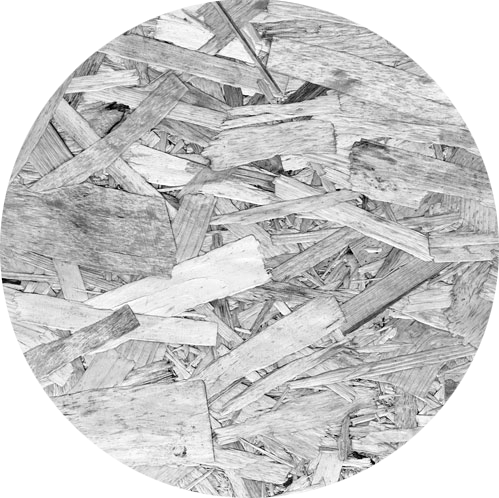
Formaldehyde is used primarily to produce chemical intermediates (i.e. urea-formaldehyde resins, phenolic resins, etc.) for adhesives and binders in the wood products, pulp and paper, and synthetic vitreous fibre industries.[1] Formaldehyde-based resins are used to make oriented strand board and other wood products in the wood industry.[35] It is also used to produce plastics and coatings, to finish textiles, and to manufacture various industrial chemicals.[1]
As an aqueous solution, formaldehyde is an effective disinfectant and preservative that may be used in hospital wards, pathology labs, and funeral homes (as an embalming fluid).[36] It is also used as a germicide, insecticide, and fungicide. As an antibacterial agent, formaldehyde is found in soaps, shampoos, hair preparations, deodorants, lotions, cosmetics, mouthwash, and nail
products.[36]
Environmental Exposures Overview
The biggest sources of environmental formaldehyde are combustion and combustion by-products from power plants, incinerators, refineries, wood stoves, kerosene heaters, cigarettes, photochemical oxidation of hydrocarbons and other formaldehyde precursors, and forest fires.[1,36]
Other sources include vent gas and wastewater from formaldehyde production, vehicle exhaust, and off-gassing from formaldehyde-containing products (e.g., fumigants, soil disinfectants, embalming fluid, leather tanning agents, building material resins, wood products and building materials, and resin-treated fabrics and paper).[1,36]
CAREX Canada estimates that formaldehyde levels in outdoor air do not result in an increased risk of cancer (low data quality). However, these estimates show that formaldehyde levels in indoor air do result in an increased risk (low to moderate data quality).
Historically, the use of urea formaldehyde foam insulation (UFFI) resulted in potentially high concentrations of formaldehyde in homes. UFFI was banned in Canada in 1980.[39]
Searches of Environment Canada’s National Pollutant Release Inventory (NPRI) and the US Consumer Product Information Database yielded the following results on current potential for exposure to formaldehyde in Canada:
NPRI and US Consumer Product Information Database
| NPRI 2015[40] | ||
|---|---|---|
| Substance name: ‘Formaldehyde’ | ||
| Category | Quantity | Industry |
| Released into Environment | 1,532 t | Wood product manufacturing, meat product manufacturing, resin and synthetic rubber and fibre manufacturing, oil and gas extraction (139 facilities) |
| Disposed of | 119 t | |
| Sent to off-site recycling | 18 t | |
| US Consumer Products 2016[41] | ||
|---|---|---|
| Search Term | Quantity | Product Type |
| ‘Formaldehyde’ | 107 | Adhesives, insulations, baby and pet shampoos, hand soap, body wash, aquatic plant fertilizers |
t = tonne
For more information, see the environmental exposure estimate for formaldehyde.
Occupational Exposures Overview
Inhalation is the main route of exposure for formaldehyde. However, lower levels of exposure may occur via dermal absorption or ingestion.[39]
CAREX Canada estimates that approximately 117,000 Canadians are exposed to formaldehyde in their workplaces. Currently, the three most important sources of formaldehyde exposure include decomposition of formaldehyde-containing resins, emissions from solutions (e.g. embalming fluid), and combustion sources (e.g. vehicle exhaust).[42]
Although exposure to formaldehyde has decreased over time, exposure still occurs in a wide variety of occupations and industries. Hospitals and full-service restaurants and limited service eating places are among the largest exposed industrial groups in Canada. In terms of occupations, the largest groups of workers exposed to formaldehyde are cooks, motor vehicle assemblers, inspectors and testers, registered nurses and registered psychiatric nurses, and furniture and fixture assemblers and inspectors.
In wood panel manufacturing, formaldehyde is released when heating adhesives, which can expose press operating and maintenance workers.[43] In furniture manufacturing, formaldehyde is released when preparing and applying varnishes or paints (especially when applied with a spray gun), and drying. Therefore, painters, manual labourers working at dryers, and maintenance workers can also be exposed.[43]
Other occupations with acute exposure to formaldehyde include embalmers, pathology lab workers, wood, and pulp and paper processing workers. Health care professionals (nurses, dentists, and pharmacists) may also be exposed while using or cleaning up medical products and equipment.[1,36]
Workers involved in producing resins, man-made vitreous fibres, and plastic products are potentially exposed to formaldehyde. Levels are expected to be low, however, because of improved ventilation and the development of resins that release less formaldehyde.[1]
According to the Burden of Occupational Cancer in Canada project, occupational exposure to formaldehyde leads to approximately five leukemia and less than five nasopharyngeal cancers each year in Canada, based on past exposures (1961-2001).[44,45] This amounts to 0.1% of all leukemia and 0.8% of all nasopharyngeal cancers cancers diagnosed annually. Most formaldehyde-related cancers occur among workers in the manufacturing sector.[45]
For more information, see the occupational exposure estimate for formaldehyde.
Sources
Other Resources
- Agency for Toxic Substances and Disease Registry (ATSDR). FAQ Sheet (1999) (PDF)
- International Agency for Research on Cancer (IARC). Monograph summary, Volume 62 (1995) (1995) (PDF)
- Lavoué J, Vincent R, Gerin M. “Formaldehyde exposure in US industries from OSHA air sampling data.” J. Occup. Environ. Hyg.2008;5(9):575-87.
Subscribe to our newsletters
The CAREX Canada team offers two regular newsletters: the biannual e-Bulletin summarizing information on upcoming webinars, new publications, and updates to estimates and tools; and the monthly Carcinogens in the News, a digest of media articles, government reports, and academic literature related to the carcinogens we’ve classified as important for surveillance in Canada. Sign up for one or both of these newsletters below.
CAREX Canada
School of Population and Public Health
University of British Columbia
Vancouver Campus
370A - 2206 East Mall
Vancouver, BC V6T 1Z3
CANADA


As a national organization, our work extends across borders into many Indigenous lands throughout Canada. We gratefully acknowledge that our host institution, the University of British Columbia Point Grey campus, is located on the traditional, ancestral, and unceded territories of the xʷməθkʷəy̓əm (Musqueam) people.